The Weeknd and NFTs: A Deep Dive into Digital Innovation
Intro
The music world is ever-evolving, driven by changes in technology and how art is consumed. One fascinating trend currently capturing attention is the rise of non-fungible tokens (NFTs). These unique digital assets have started to carve out a niche within the music industry, and artists are taking notice. One prominent figure navigating this terrain is The Weeknd, an artist renowned for his innovative approach to both music and business.
As we delve into this exploration of The Weeknd's involvement with NFTs, it becomes crucial to understand not just the mechanics of these digital assets, but also their implications for artists and fans alike. With this understanding, we can unravel the intricacies of the relationship between The Weeknd's artistry and the burgeoning NFT landscape. This section lays the groundwork for deeper insights into market trends, investment strategies, and the potential of NFTs to reshape the artistic landscape in music.
Market Trends and Analysis
- Current Market Overview
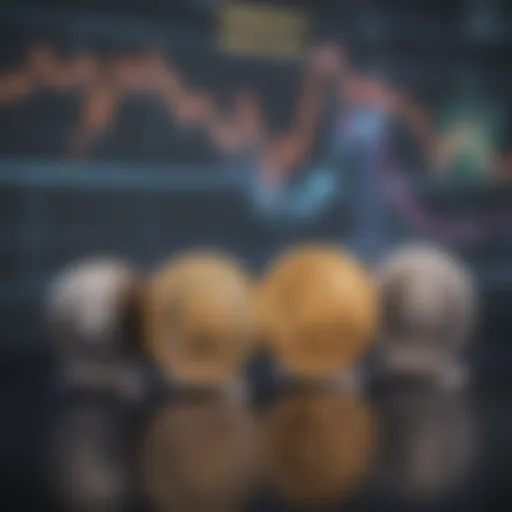
The NFT market has seen a whirlwind of activity over recent years. Initially regarded as a niche marketplace, it has become a substantial part of the digital economy, drawing both novice and seasoned investors. The Weeknd’s approach to this phenomenon is notable, especially as he slips into the role of not only a creator but also an innovator in the digital realm. With platforms like OpenSea and Rarible becoming household names, the music industry is starting to embrace this form of asset. - Key Indicators and Metrics
Key indicators for the NFT market include the volume of transactions, the average price per token, and the number of active wallets. For instance, in 2021, the market saw a staggering increase, with total sales reaching billions. Particularly worth noting are the sales spikes during notable drops by high-profile artists like The Weeknd.This not only showcases the potential profitability of NFTs but also reflects the changing dynamics of music distribution and ownership.
"NFTs are not just digital collectibles; they represent a new way for artists to monetize their work."
Investment Strategies
When considering investment in the NFT space, especially within music, different strategies can help navigate this evolving landscape.
- Long-term vs Short-term Strategies
When investing, one may contemplate whether to hold NFTs for the long haul or to engage in quick flips. Those who take a long-term approach might look closely at the artist's trajectory, cultural impact, and future prospects. Conversely, short-term investors may focus on timing market trends or speculating on immediate resale value, particularly during high-profile releases from artists like The Weeknd. - Risk Management Techniques
The NFT market can be volatile, demanding that investors practice sound risk management. Diversifying one’s portfolio and conducting thorough research into specific pieces or artists become vital. Keeping a keen eye on market trends while being aware of the inherent risks involved is essential.
Understanding NFTs
The world of non-fungible tokens, or NFTs, plays a critical role in the intersection of digital art, music, and ownership. As we dive into this topic, our goal is to outline how NFTs have transformed the landscape, especially within the music industry. With The Weeknd as a central figure, we’ll explore the characteristics that make NFTs unique, their technological foundations, and how they have gained such traction in recent years. Understanding NFTs is pivotal, not only for artists but also for investors, pushing the conversation around value and creativity to new heights.
Definition and Characteristics of NFTs
NFTs stand apart from traditional cryptocurrencies because they are unique digital assets. Each NFT has distinct information or attributes that set it apart from others, which means they cannot be exchanged on a one-to-one basis like standard currency. A simple comparison would be to think of how individual baseball cards differ from a stack of dollar bills; the uniqueness of a card adds value.
Key characteristics of NFTs include:
- Uniqueness: Each NFT has unique metadata that cannot be replicated, akin to a one-of-a-kind painting.
- Ownership: Ownership is secured through blockchain technology, providing a verifiable digital certificate of authenticity.
- Transferability: NFTs can be bought, sold, and traded on various marketplaces, increasing accessibility to ownership for collectors and fans.
The Technology Behind NFTs
Blockchain Basics
Blockchain is the backbone of NFTs. This decentralized technology allows for the secure recording of transactions, ensuring transparency and security. One of the key aspects of blockchain is that it creates an immutable ledger, meaning once a transaction is recorded, it cannot be altered. This feature is particularly beneficial in establishing the provenance of digital assets. The decentralized nature also means no single entity controls the data, which addresses concerns regarding censorship and fraud.
Smart Contracts
Smart contracts are self-executing agreements encoded directly onto the blockchain. They ensure that transactions occur smoothly, without the need for intermediaries, which can slow things down or breed complications. In the NFT space, a smart contract might dictate that royalty payments are automatically sent to an artist every time their NFT is resold, thus providing ongoing financial benefit.
A significant advantage here is automation—once a smart contract is set up, it requires minimal involvement from either party. However, if there are errors in the coding, it can lead to challenges that are difficult to rectify without proper expertise.
Token Standards
Within the realm of NFTs, the token standards, such as ERC-721 and ERC-1155, play a crucial role. These standards define how NFTs are minted, traded, and interacted within the blockchain. The ERC-721 standard allows for the creation of unique tokens, while ERC-1155 provides a more efficient approach by allowing the creation of multiple tokens in a single contract, enhancing scalability and flexibility.
The advantages of these standards include versatility in creating a wide variety of digital assets while ensuring security and compatibility across platforms. However, it also means that without a common understanding of these standards, there can be confusion among users and developers.
The Popularity Surge
Historical Context of Digital Collectibles
The rise of NFTs didn’t appear out of thin air; it is a culmination of years of development in digital collectibles. Initially, these could be anything from virtual stickers to in-game items that had intrinsic value in specific ecosystems. The digital ownership concept started gaining traction with platforms like Cryptokitties, which enabled users to breed and trade virtual cats on the Ethereum blockchain. This laid the groundwork for the NFT boom we see today.
Factors Leading to Mainstream Adoption
Several factors propelled NFTs into the limelight:
- Celebrity Endorsement: Many artists and sports figures have jumped into the NFT space, increasing visibility and credibility.
- Cultural Shift: The digital era has made younger generations more accepting of digital ownership.
- Investments from Major Companies: Presence from big entities in the NFT realm has introduced substantial capital and legitimacy to the market, further driving its popularity.
In summary, understanding NFTs is not merely an academic pursuit. It is essential for anyone engaged in the evolving landscape of art, music, and digital ownership. By grasping the building blocks of NFTs, we allow ourselves to engage more thoughtfully in discussions regarding their current impact and future possibilities.

The Weeknd's Influence in Music
The Weeknd, known for his unique blend of genres and innovative production techniques, has made significant waves in the music industry. His influence extends far beyond catchy hooks and chart-topping hits; it encompasses a transformation in how artists interact with their fans, especially with emerging technologies like NFTs.
This section explores The Weeknd’s noteworthy contributions to the music landscape, emphasizing specific milestones in his career and the creative approaches he has adopted that set him apart.
Career Milestones
The Weeknd's rise to fame is nothing short of remarkable. Emerging from the underground music scene in Toronto, his early mixtapes, such as "House of Balloons," showcased a raw, emotional depth that resonated with listeners, paving the way for broader recognition. As he transitioned into mainstream music, his subsequent albums like "Beauty Behind the Madness" and "Starboy" not only achieved commercial success but also garnered critical acclaim.
His distinctive sound, characterized by a mix of R&B, pop, and hip-hop elements, has won him numerous awards, including Grammy Awards and American Music Awards. Each album marks a significant step in his career, reflecting both personal growth and artistic evolution.
Moreover, his collaboration with various high-profile artists—like Daft Punk and Ariana Grande—demonstrates his ability to adapt and shape sounds creatively. These collaborations further enhanced his presence in the industry, making him a sought-after partner in music.
Innovative Approaches to Artistry
The Weeknd’s artistry thrives on pushing boundaries. His innovative approaches are evident in his creation of concept albums and multimedia projects, both redefining the listener's experience.
Concept Albums
A concept album differs from traditional albums; it unfolds a narrative or explores a central theme throughout its tracks. The Weeknd’s "After Hours" serves as a prime example.
This album not only presents a sonic landscape that reflects his internal struggles but also stitches together a cohesive story that captivates fans. It’s a beneficial approach as it fosters deeper emotional connections with listeners.
Additionally, the unique feature of layering musical interludes with storytelling allows The Weeknd to connect themes of love, heartbreak, and self-discovery. This artistic choice often results in a richer listening experience, drawing fans further into his world.
Multimedia Projects
Multimedia projects have become a defining aspect of The Weeknd's creative process. He often combines music with visual elements, as seen in his elaborate music videos and short films. These efforts transcend typical promotional strategies, creating a multidimensional experience for fans.
An outstanding characteristic of these projects is the emphasis on visuals that complement the music, enhancing the storytelling aspect. For example, his "Blinding Lights" music video showcases a vibrant retro aesthetic that aligns perfectly with the sound of the track, creating an immersive experience.
This innovative approach is beneficial in today’s digital age, where a strong visual presence can elevate an artist’s profile, making them stand out in a saturated market. However, it requires significant resources and creative direction, balancing artistic integrity with audience expectations.
"Art is not freedom from discipline, but disciplined freedom." – Victor Hugo
In summary, The Weeknd’s influence in music is underpinned by his career milestones and innovative artistic approaches. He not only shapes his own sound but also paves the way for future artists through concept albums and multimedia projects. These elements form a critical backdrop for understanding his exploration into NFTs and their implications for the music industry as a whole.
The Weeknd's Foray into NFTs
The rising tide of NFTs presents new avenues for artists, and The Weeknd is no stranger to this exploration. His venture into the world of non-fungible tokens reveals how celebrities are redefining their relationship with their fans and the art they create. The transition to NFTs is significant not just for The Weeknd but also for the broader artistic community. It opens doors for financial opportunities, artistic expression, and ownership, creating a unique tie between the artist and their audience.
Initial NFT Releases
Artistic Collaborations
Artistic collaborations in the NFT space have become a catalyst for creative synergy. The Weeknd's partnerships with visual artists to produce NFT art pieces showcase his multifaceted approach to creativity. Utilizing diverse forms of artistry, these collaborations highlight a blend of musical and visual storytelling, enhancing the overall experience for fans.
One notable aspect is how these collaborations allow artists to reach wider and more diverse audiences. Through limited editions and exclusive releases, The Weeknd taps into the unique qualities of the NFTs, generating excitement and anticipation. This choice resonates with art collectors and fans alike, fostering a sense of community around shared artistic appreciation.
However, there are potential drawbacks. The success of an artistic collaboration relies heavily on the alignment of both artists' visions. Should there be a misalignment, it could lead to a dilution of brand identity or creative intent. Still, when these collaborations hit the mark, they present significant opportunities for both The Weeknd and his collaborators.
Exclusive Content Offers
Offering exclusive content through NFTs is another strategic move for The Weeknd. By providing fans with unique access to unreleased tracks, behind-the-scenes footage, and personalized messages, he enhances the fan experience significantly. This approach not only builds loyalty among existing fans but also draws in new ones eager to experience firsthand the perks of engaging with The Weeknd's art.
A key feature of exclusive content offers is their limited nature. Scarcity drives demand, encouraging fans to invest in NFT pieces as they understand they are partaking in something truly unique. This strategy can yield lucrative returns for artists, providing new revenue streams. Yet, limiting access can also create issues if fans feel excluded from an artist’s work, making it essential to balance exclusivity with inclusiveness.
Market Reception
Sales Performance
The performance of NFT sales tied to The Weeknd has sent ripples through the market, reflecting both the potential and volatility of the NFT landscape. Recent releases have garnered significant attention, translating into impressive sales figures that highlight the demand for The Weeknd's unique contribution to this digital asset collection.
Sales performance serves as both an indicator of the artist's popularity and market trends. High sales figures can validate the investment in NFTs, strengthening The Weeknd's position in this space. However, fluctuations in sales can signal potential pitfalls, reminding artists and investors of the speculative nature that accompanies the NFT realm.
Fan Engagement and Response
The response from fans towards The Weeknd's NFTs has been compelling, highlighting the emotional connection that can exist in the digital landscape. Through active engagement on social media platforms and official channels, fans have shared their excitement and love for exclusive digital pieces. This engagement offers invaluable insights into fan preferences and behaviors.
As a beneficial outcome, The Weeknd's foray into NFTs has fostered direct communication between him and his supporters. Fans who own NFTs feel closer to the artist, often leading to increased loyalty and ongoing support. However, there are risks; if fans perceive the effort as merely a cash grab, it could damage his reputation. Therefore, managing this relationship is crucial to maintaining authenticity and connection.
Implications for Artists
The rise of NFTs carries significant implications for artists, reshaping how they approach their craft in a digital-first world. Traditionally, musicians navigate a tough landscape, often dependent on record labels and streaming platforms for their revenue and exposure. However, through the lens of NFTs, artists like The Weeknd can seize newfound financial, creative, and ownership liberties. This shift can not only help artists maximize their earnings but also redefine their relationship with fans.
Financial Opportunities
Royalties and Revenue Streams
In the realm of NFTs, one critical feature emerges: the potential for ongoing royalties. Unlike traditional sales, where revenue stops flowing once a transaction is made, NFTs can facilitate a continuous income for artists whenever their work is resold in the marketplace. This attribute is particularly appealing for artists like The Weeknd, who maintain a sustained popularity.
Consider this: an NFT sold today may resurface for sale years down the line, and every subsequent sale can generate a royalty for the original creator. This characteristic transforms the landscape of earnings, where artists can earn money from secondary markets. As the digital art world continues to grow, leveraging royalties through NFTs becomes a beneficial and lucrative choice for many artists looking to enhance their revenue streams.
Direct Fan Support
Direct fan support is yet another element making its mark in the NFT space. By offering exclusive NFTs, musicians can foster direct engagement with their fanbase, allowing fans to feel as though they have a stake in the artist's success. This model not only creates a new avenue for support but also fosters a sense of community among fans.
A unique aspect of this direct support lies in the personalized experience it offers. When fans own a piece of an artist's work, be it a unique track or an artwork, their connection to the artist deepens significantly. Plus, it taps into the growing trend of fans wanting to contribute to their favorite artists directly, rather than just passively consuming content.
Artistic Control and Ownership
Decentralizing Art Distribution
The concept of decentralizing art distribution is a focal point for artists embracing NFTs. This decentralization empowers individuals to take control of their distribution channels, as the need for intermediaries like record labels diminishes. Artists can share their work directly with their audience, carving out their path without constraints imposed by traditional systems.
This revolutionary change can be particularly useful for fresh, emerging artists, who often struggle to gain visibility in a competitive industry. By decentralizing their distribution, artists can reach a global audience directly, enhancing their chances of success.
Protecting Intellectual Property
With NFTs comes a robust framework that enhances how artists protect their intellectual property. By minting their work as NFTs on the blockchain, artists can lock in their ownership rights, denying unauthorized reproductions or manipulations. This unique feature serves as a safeguard for artists, ensuring that their creations remain distinguished and protected from misuse.
The potential downsides to this system arise, however, from the inherent risks associated with blockchain technology. While it does provide a more secure environment, the reality of hacks and scams still looms, creating a paradox where security and vulnerability coexist. Understanding these intricacies is crucial for artists venturing into the NFT landscape.
"The transformation in art distribution represents not just a financial opportunity but a shift in creative autonomy for artists."
The Broader Music Industry Landscape
The integration of NFTs into the music industry reflects a significant shift, reshaping how music is consumed, appreciated, and monetized. As artists like The Weeknd venture into this digital space, the implications stretch well beyond personal gains. This section discusses the evolving dynamics of music consumption and the challenges posed by emerging technologies like NFTs.
Changing Dynamics of Music Consumption
Shift from Physical to Digital Sales
In recent years, a noticeable transition has occurred within the music industry, evident in the gradual decline of physical sales. Consumers are gravitating towards digital formats, making this shift a key aspect to consider. This transformation facilitates more accessible distribution channels. Artists like The Weeknd are harnessing this newfound ease to connect directly with their audience, offering unique digital experiences and exclusive merchandise via NFTs.
Digital sales are not merely a convenient option; they symbolize a broader cultural acceptance of streaming and online engagement. The efficiency of digital transactions stands out; they allow for instantaneous access to music without the hassle of shipping or storage, benefiting both the consumer and the artist. However, there are obstacles. Without physical copies, a tangible connection to the music can be lost, posing a challenge for artists attempting to build a more profound relationship with their fans.
Impact of Streaming Platforms
Streaming services have fundamentally altered music consumption patterns. Platforms such as Spotify and Apple Music have turned music into a service rather than a product, promoting exploration and discovery. This characteristic is vital for artists aiming to reach new listeners. By offering on-demand access to vast libraries of music, these platforms create an environment where a casual listener can easily stumble upon The Weeknd’s tracks amidst millions of others.
While streaming has democratized access and helped artists gain exposure, it has also raised questions about fair compensation. The widespread reliance on streaming means that artists often earn a fraction of what they would from physical sales. This tension creates a need for artists to innovate their revenue streams, such as incorporating NFTs into their artistic portfolio to mitigate those losses from traditional music sales.
Challenges and Critiques of NFTs
Environmental Concerns

One of the pressing critiques surrounding NFTs is their environmental impact. The blockchain technology that underpins most NFTs requires a significant amount of energy for transactions. As awareness of climate change grows, this aspect becomes crucial. In the context of music, it raises the question of whether the benefits of NFTs—enhanced fan experiences and new revenue—justify the ecological footprint.
Moreover, artists like The Weeknd face scrutiny over their choices to engage in NFT marketplaces. While they stand to gain financially, they must weigh this against their personal beliefs and the values of their fan base. The environmental argument prompts artists to consider strategies for sustainability, such as selecting eco-friendlier blockchain options or contributing to environmental causes through their NFT sales.
Market Speculation Risks
The speculative nature of the NFT market poses another significant challenge. Prices for digital assets can fluctuate wildly, leading to both promising profits and potential losses. This volatility can create a perilous environment not just for artists but for fans looking to invest in digital collectibles.
The unique feature of NFTs, whereby scarcity is artificially created, also fuels this speculation. While some NFTs can skyrocket in value, there is always a risk they might plummet just as quickly. Investors must perform their due diligence before committing. This cautious approach is especially vital as the music industry explores new avenues for monetization through digital assets, providing both opportunities and inherent risks for all participants.
The Future of NFTs in Music
The conversation surrounding the future of non-fungible tokens (NFTs) in music is becoming increasingly pertinent as artists like The Weeknd navigate this evolving landscape. NFTs present myriad possibilities that could significantly reshape how music is created, consumed, and monetized. This section explores the prospective trends and potential new business models that could emerge as musicians continue to embrace these digital assets.
Prospective Trends
Integration with Virtual Realities
The integration of NFTs with virtual realities is one of the most exciting prospects on the horizon for the music industry. This combination allows artists to create immersive environments where fans can experience music in entirely new ways. For instance, imagine attending a live concert in a virtual space where your favorite artist—like The Weeknd—performs for a global audience, and you own a piece of that concert as an NFT.
What makes this integration compelling is the ability to blend different sensory experiences. The sound envelops you, coupled with stunning visual elements that transport you beyond mere auditory enjoyment. It provides a unique characteristic that combines communal engagement and individual ownership in a manner that traditional concerts cannot replicate.
However, this approach does not come without its challenges. The technology demands strong internet infrastructure and equipment like VR headsets, which can limit accessibility. Even so, the potential for creating enhanced revenue streams through ticket sales and exclusive virtual merchandise makes it a noteworthy consideration for the future.
Enhanced Fan Experiences
Enhanced fan experiences through NFTs can radically alter the connection between artists and their audience. These digital tokens can facilitate direct interactions that were previously unattainable. For example, owning an NFT might allow fans access to behind-the-scenes content, personalized messages, or exclusive meet-and-greet sessions tied to a virtual event.
This direct engagement emphasizes a key characteristic of NFTs—building deeper relationships with fans. Unlike traditional avenues of fan interaction, these unique offerings allow musicians to foster loyalty in unprecedented ways. The unique feature lies in the ownership element; fans hold something that not only represents a connection but also possesses potential monetary value.
On the downside, this model might create a divide where only fans with sufficient resources can invest in exclusive NFTs, limiting accessibility and possibly alienating those who wish to support their favorite artists but can't afford the entry price. Even so, the excitement and novelty surrounding these interactions cannot be understated.
Potential for New Business Models
Crowdfunding through NFTs
Innovatively, NFTs offer a fresh pathway for crowdfunding within the music industry. Artists can issue tokens tied to specific projects, allowing fans to invest directly in upcoming albums, tours, or even independent music videos. This method has the potential to democratize funding and enable artists to retain more creative control by relying less on traditional record labels and external financing.
The standout characteristic of crowdfunding via NFTs is transparency. Fans can immediately see where their money goes, which strengthens the trust between artists and supporters. Also, if the project turns out successful, both parties may benefit financially when the NFT value appreciates over time.
However, while this model seems promising, it does come with risks. If a project fails to resonate with the audience, supporters could watch their investment diminish. Still, the advantages of creative freedom and deeper fan engagement might outweigh these considerations.
Collaborative Projects
Collaborative projects through NFTs provide an exciting avenue for artists to join forces, merging different creative outputs into unique experiences. For instance, The Weeknd might collaborate with visual artists, gamers, or other musicians to create a multi-faceted multimedia project, which could be sold as a singular NFT.
This pathway encourages creativity while also exhibiting a key characteristic—cross-industry collaboration. By pooling resources and fan bases, artists can explore new genres, aesthetic forms, and innovative marketing strategies that broaden their reach.
Nevertheless, collaborative projects do face hurdles, such as navigating the complexities of creative rights and revenue distribution. Despite these complexities, the broad appeal of unique joint efforts can form a compelling basis for future endeavors in the NFT landscape.
"The future of NFTs offers a promising pathway for artists, combining creative freedom with new forms of audience engagement. But like any emerging technology, it’s essential to tread carefully and weigh both the opportunities and risks."
Closure
As we wrap up our discussion on The Weeknd and the fascinating world of NFTs, it’s clear that this intersection is more than just a passing trend. The significance of the convergence between The Weeknd's artistic vision and the capabilities of NFTs cannot be overstated. This evolution in music and digital artistry heralds new avenues for monetization and creative expression.
Summary of Key Insights
Several key insights have emerged throughout our exploration:
- Innovative Engagement: The Weeknd has embraced NFTs to engage with fans in a personalized manner. This has created a unique bond between the artist and his audience.
- Market Dynamics: The popularity of NFTs demonstrates a fundamental shift in how artists can capitalize on their work. Unlike traditional sales methods, NFTs offer a chance for continuous revenue through royalties and secondary sales, changing the financial landscape for creators.
- Cultural Implications: The impact of NFTs extends beyond mere transactions; it challenges our understanding of ownership and value in the digital age. The Weeknd’s involvement exemplifies how artists can lead this cultural dialogue.
- Future Prospects: As technology continues to evolve, we can expect that the relationship between artists and NFTs will deepen, potentially influencing other facets of the entertainment industry, like live performances and collaborations.
"NFTs represent a shift in how we perceive art and ownership within the digital sphere. As artists like The Weeknd take the lead, the boundaries of creativity are being pushed further than ever before."
Final Thoughts on The Weeknd and NFTs
In looking ahead, it becomes apparent that The Weeknd's ventures into NFTs are not merely a gimmick. They catalyze important conversations about creativity and commerce. For investors and traders, understanding The Weeknd’s approach can provide insights into market trends. As the music industry navigates this new digital terrain, the implications for artists and fans alike are profound. The future of music may very well hinge on how well artists can leverage these digital assets, ultimately redefining how we think about art and engagement in the 21st century.
As we conclude this article, consider how The Weeknd’s journey into NFTs serves as a crucial study case for the broader implications of digital ownership, fan interaction, and the potential for new revenue models in the music industry. With every NFT created, we are witnessing a deliberate reshaping of the artistic landscape, one that may well pave the way for countless artists to follow.